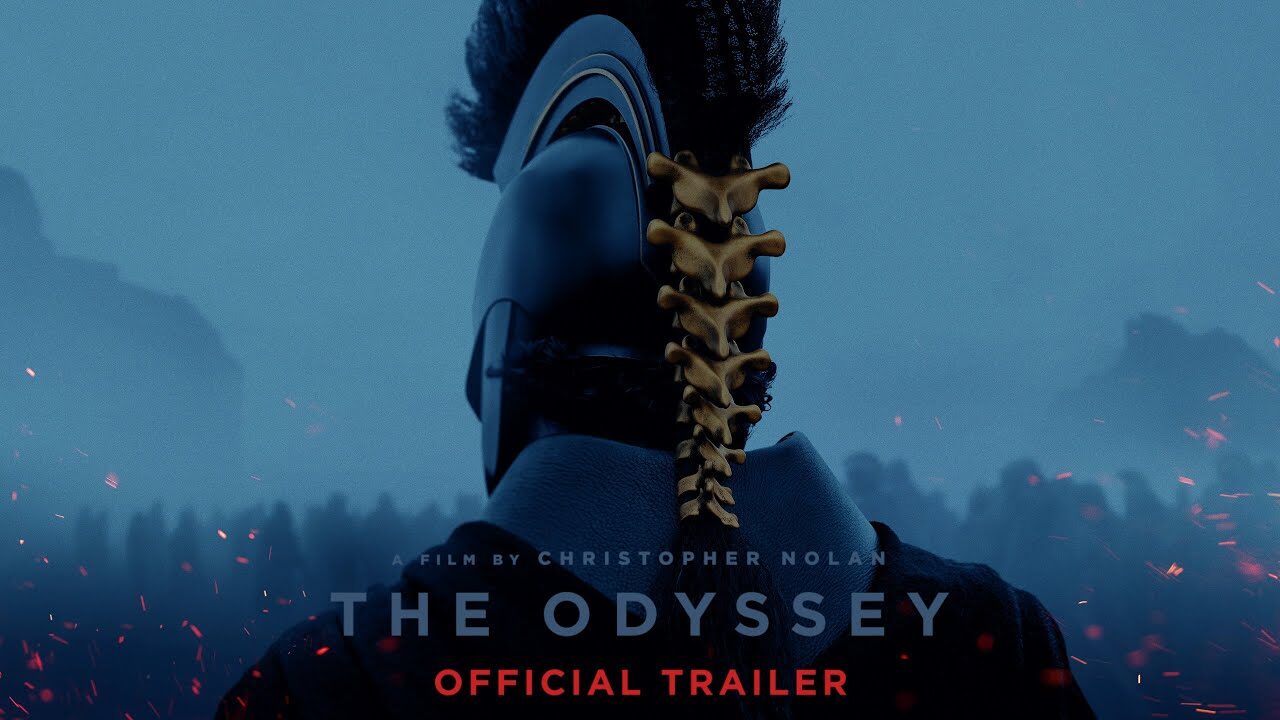
A stellar cast at the cost of a slow pace
The Odyssey is an original work by Christopher Nolan, loosely inspired by Homer's poem, in theaters since 17 July 2026 for Universal Pictures. A stellar cast: Matt Damon is Odysseus, with Tom Holland, Anne Hathaway, Zendaya, Lupita Nyong'o, Robert Pattinson and Charlize Theron.
Two years ago the same hero had already returned in Uberto Pasolini's "The Return": only two leads, only the reckoning with the Suitors, no gods and no monsters, and almost no visual effects. Nolan does the opposite, with around 250 million dollars and the first feature shot entirely in IMAX on 70 mm film: from the same text, two very distant ideas of cinema.
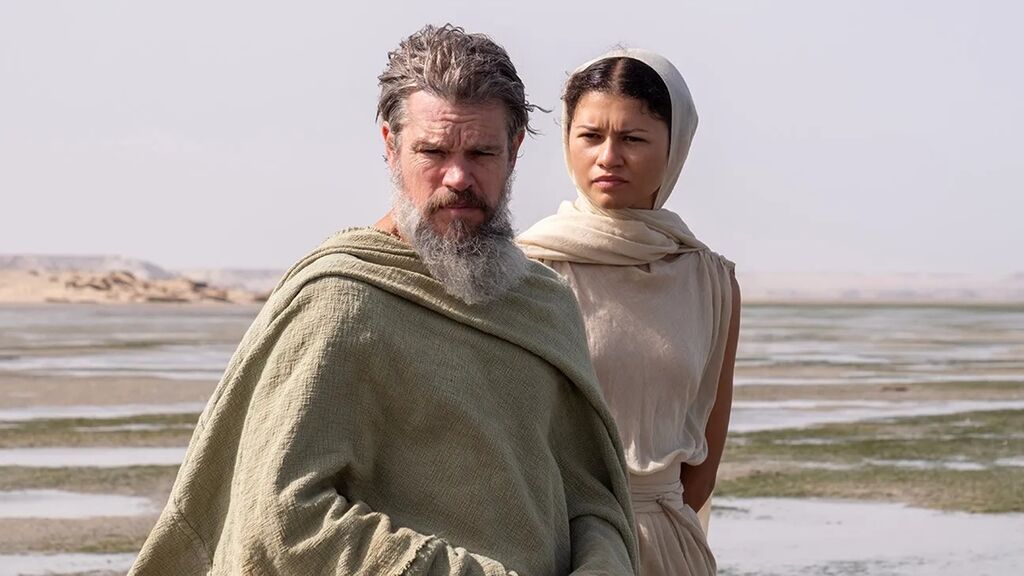
Setting aside the objective assessments, which are dull, let us now move on to the actual review of Nolan's film. Precisely thanks to the budget deployed, the music is of the highest level: every rhythm and every track oozes absolute epicness, in tune with the dark settings of the landscape.
The superstar cast and the utterly iconic characters have become living catchphrases, aided by the aforementioned music. Excellent acting performances and memorable costumes give body to everything I have described.
Another important feature is the settings and the visuals, likewise emblematic and excellent, the fruit of painstaking directorial and production-design choices. I have never seen such meticulous work on a fantasy environment.
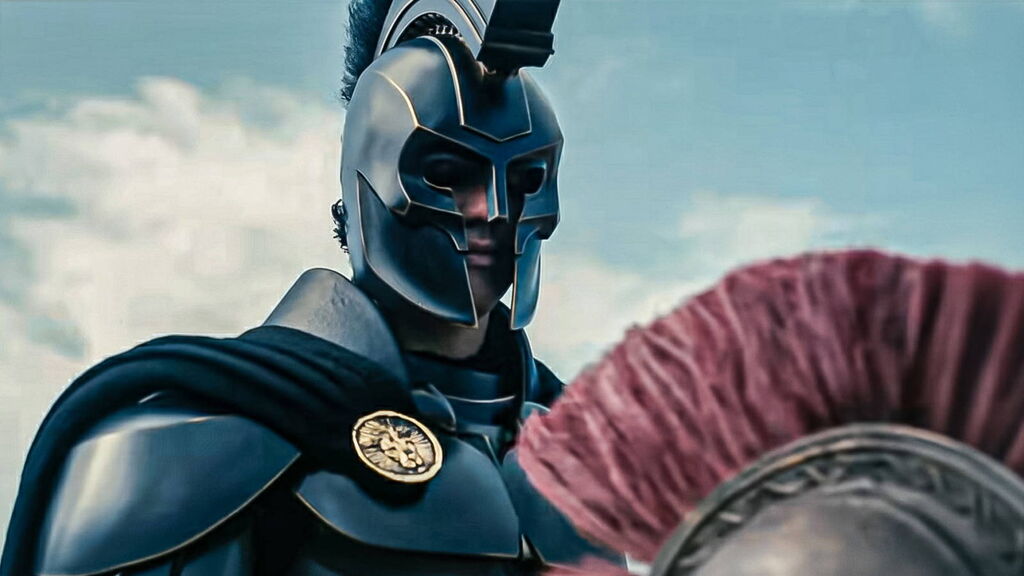
Many characters and settings turn numerous scenes into catchphrases and key moments of the film: the Trojan horse beached as in "Planet of the Apes" (1968) and paradoxically built out of fine solid wood, Agamemnon's armor that oozes fear and strength, despite its rather extravagant look. And now we understand that "extravagant" is the keyword of the whole film.
This visual delight, however, clashes with my personal taste: the plot and the pacing prove hard to follow. It is not, however, as impenetrable as Oppenheimer (2023) had been: the first half is genuinely slow and takes too much of its time, but past the midpoint you begin to grasp the key points and the direction in which the vision is heading.
The opening of the conversation between Telemachus and Odysseus really did not make me jump for joy, and for over an hour it left me with nothing but questions and doubts, and a great deal of boredom. Perhaps it is all the fault of those Nolan-style cuts, which kept making the film hard to follow. For me, Nolan's films always call for a certain amount of challenge and thought.
The oddity with which Nolan structured the plot has made this an eccentric, estranging watch compared with the original. The capriciousness and the cruelty of the choices made by the author mean that this story speaks of another world. In particular, it never names the Cyclops or the Laestrygonians, precisely because these figures do not match the ones from mythology.
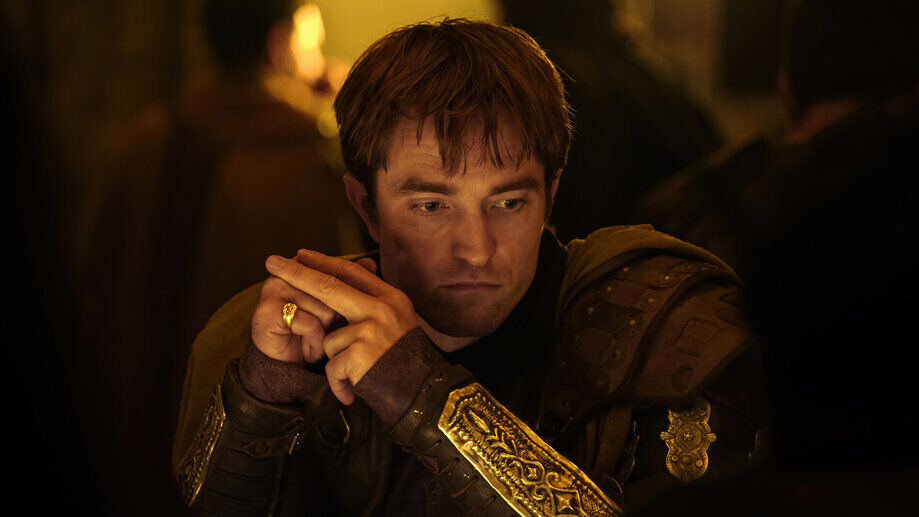
You heard that right. These creatures are neither the one nor the others. In the film it is simply a monster with one eye that, paradoxically, it does not even need. It still manages to reach our fearless warriors even when blind. The other species are brutes armored beyond all belief, who have posted a child as their sentry. Note the blood-curdling scream the child lets out. Human intuition in guessing these creatures does not always match what they truly are.
A scene of good quality, but hated by fans of the Greek epics, is the one with Circe (a namesake, and not even a sorceress: she is not the one from the poem), who shapes the warriors, in frightening fashion, into beings more befitting them. Pigs that eat themselves. Perhaps the director wants to get some practice with horror for his next film?
This film, all the same, manages to entertain me. They say Christopher Nolan is "either loved or hated"; that's not my case: I sit in the middle. If anything, I consider it a nice film, but not a masterpiece.