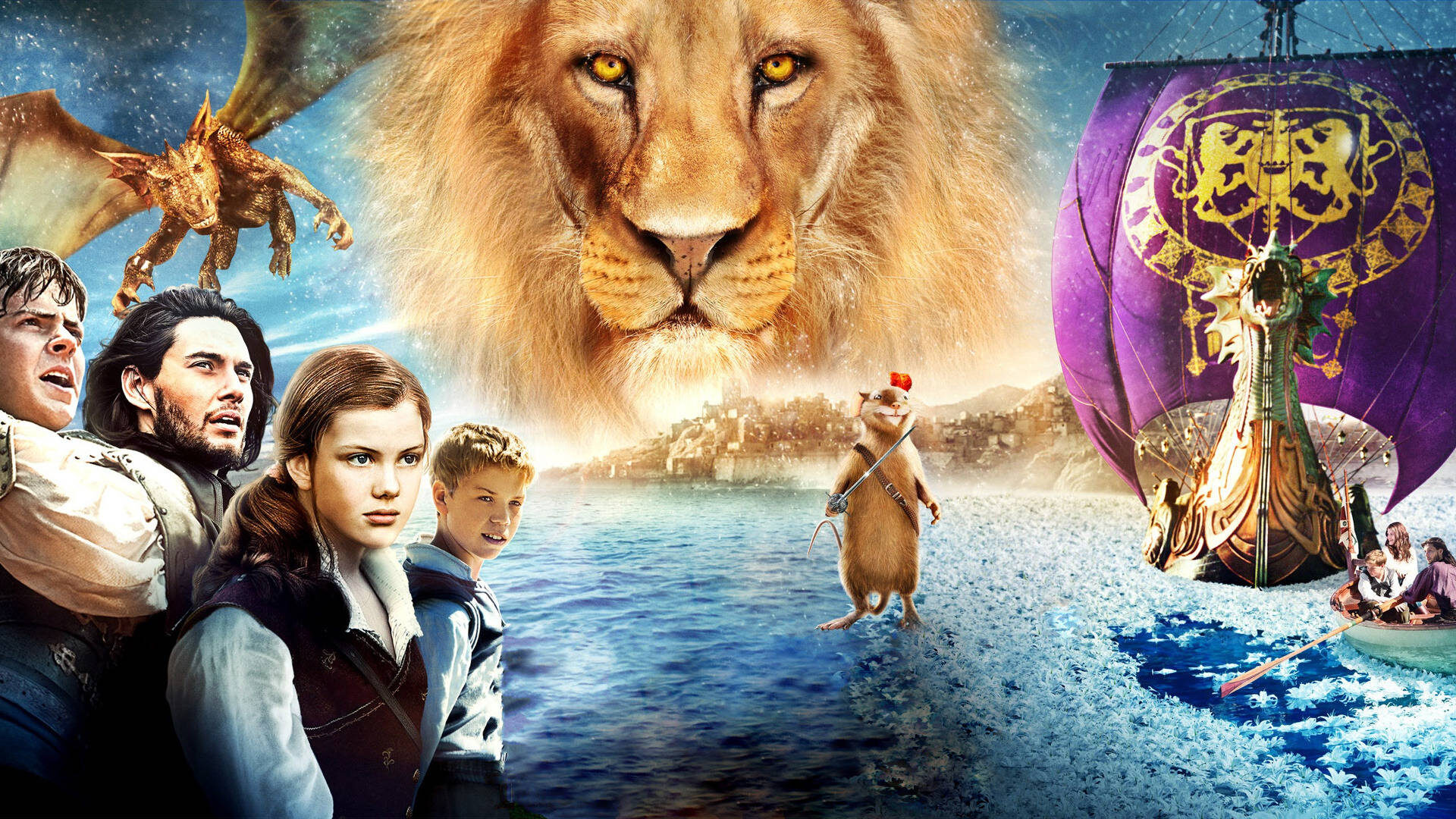
A fairy tale for children, but not a harmless one
The Chronicles of Narnia is the cycle of seven novels C. S. Lewis published between 1950 and 1956, starting with The Lion, the Witch and the Wardrobe. The books tell of the world of Narnia — where animals talk and the lion Aslan is both ruler and deity — through children who reach it from our own world in different eras.
It is those children who tell you who the cycle is written for: a story for young readers, where the animals talk and the adventure always goes through a young protagonist. The villain, on the other hand, is not always in the foreground, and changes from one novel to the next: in a book like The Voyage of the Dawn Treader there is not even a real antagonist.
Looking at the cycle as a whole, though, I have to contradict what I have just said: the main characters are not the children. The protagonist that stands out above all others is Narnia itself, so much so that the cycle closes with the death of that world.
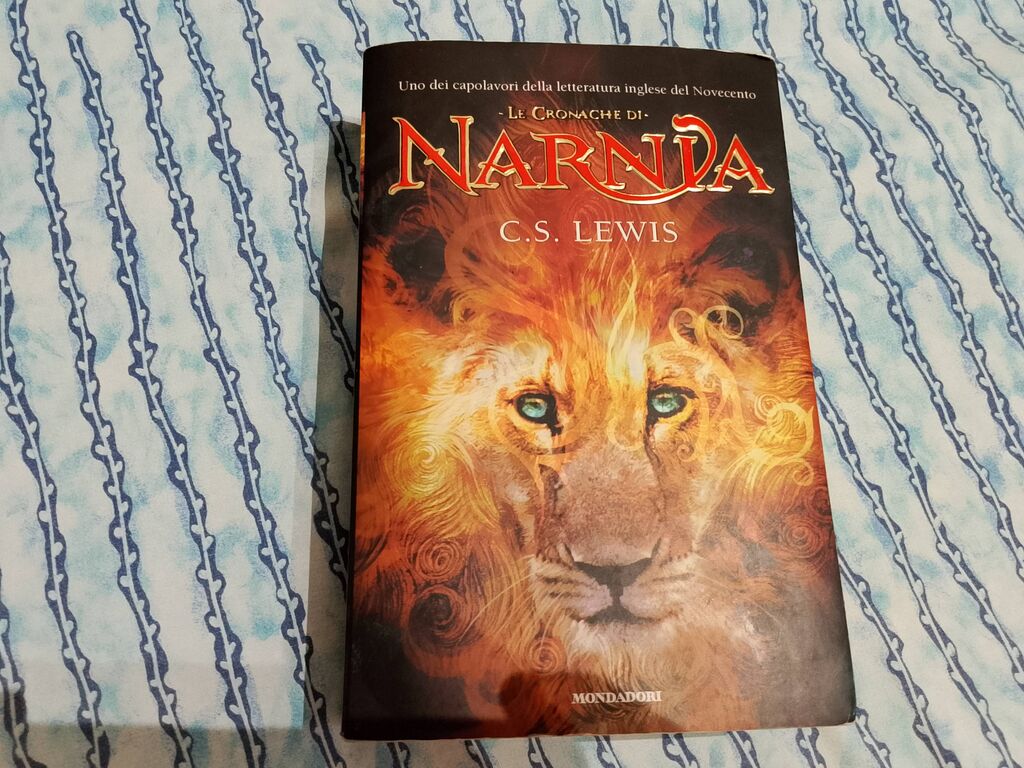
I expected a completely harmless fairy tale, without the slightest trace of violence, and instead Lewis is convinced that not even children have to be kept inside a fence. Not that the cycle turns into grown-up reading, like The Name of the Rose by Umberto Eco: the fact remains, though, that the protagonists have to fight the villains and, if need be, kill.
I know it sounds crazy, and I am perfectly aware of it: all of this reminded me a great deal of isekai anime. The pattern, after all, is the same, and the idea stuck with me above all in the last book, where the protagonists die in a train crash. Does it not look a lot like being hit by a van? Maybe whoever invented the genre took the idea straight from here.
The reading is enjoyable and keeps you glued to the pages for hours. The trouble is that at times it gets rather heavy going, especially in some parts of the middle novels. If you love adventure and you know you are holding a fairy tale, this is definitely a cycle for you.